
HUMMNGBIRDS & BLUE WHALES
I had a choice. I could write a novel length complaint about Trump, Washington corruption or my fear the Democrats will mishandle their rare opportunity to respond to the American voters obvious need for significant change. The other choice was to publish an essay about two amazing creatures, the Hummingbird and the Blue Whale. I decided on the creatures.
“An Ode to the Heart” By Brian Doyle
The Hummingbird
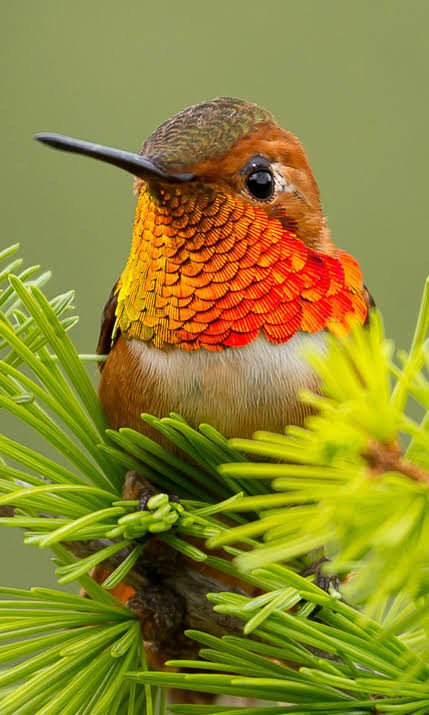 Consider the hummingbird for a long moment. A hummingbird’s heart beats ten times a second. A hummingbird’s heart is the size of a pencil eraser. Each one visits a thousand flowers a day. They can dive at sixty miles an hour. They can fly backwards. They can fly more than five hundred miles without pausing to rest. But when they rest they come close to death: on frigid nights, or when they are starving, they retreat into torpor, their metabolic rate slowing to a fifteenth of their normal sleep rate, their hearts sludging nearly to a halt, barely beating, and if they are not soon warmed, if they do not soon find that which is sweet, their hearts grow cold, and they cease to be.
Hummingbirds, like all flying birds but more so, have incredible enormous immense ferocious metabolisms. To drive those metabolisms, they have race-car hearts that eat oxygen at an eye-popping rate. Their hearts are built of thinner, leaner fibers than ours. Their arteries are stiffer and more taut. They have more mitochondria in their heart muscles—anything to gulp more oxygen. Their hearts are stripped to the skin for the war against gravity and inertia, the mad search for food, the insane idea of flight. The price of their ambition is a life closer to death; they suffer more heart attacks and aneurysms and ruptures than any other living creature. You can spend them slowly, like a tortoise and live to be two hundred years old, or you can spend them fast, like a hummingbird, and live to be two years old.
The Blue Whale
The biggest heart in the world is inside the blue whale. It weighs more than seven tons. It’s as big as a room. It is a room, with four chambers. A child could walk around it, head high, bending only to step through the valves. The valves are as big as the swinging doors in a saloon. This house of a heart drives a creature a hundred feet long. When this creature is born it is twenty feet long and weighs four tons. It is way bigger than your car. It drinks a hundred gallons of milk from its mama every day and gains two hundred pounds a day, and when it is seven or eight years old it endures an unimaginable puberty and then it essentially disappears from human ken, for next to nothing is known of the the mating habits, travel patterns, diet, social life, language, social structure, diseases, spirituality, wars, stories, despairs and arts of the blue whale. There are perhaps ten thousand blue whales in the world, living in every ocean on earth, and of the largest animal who ever lived we know nearly nothing. But we know this: the animals with the largest hearts in the world generally travel in pairs, and their penetrating moaning cries, their piercing yearning tongue, can be heard underwater for miles and miles.